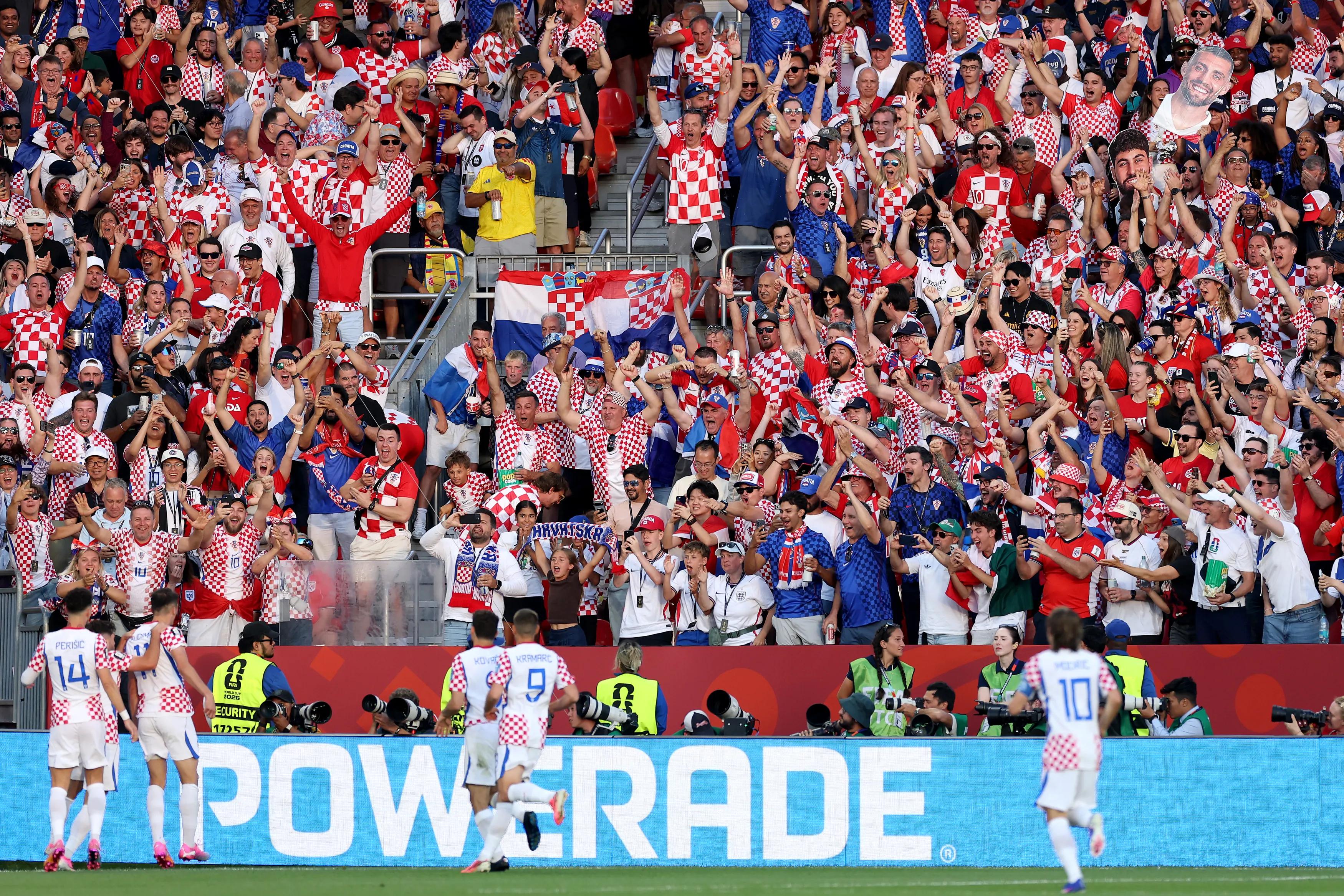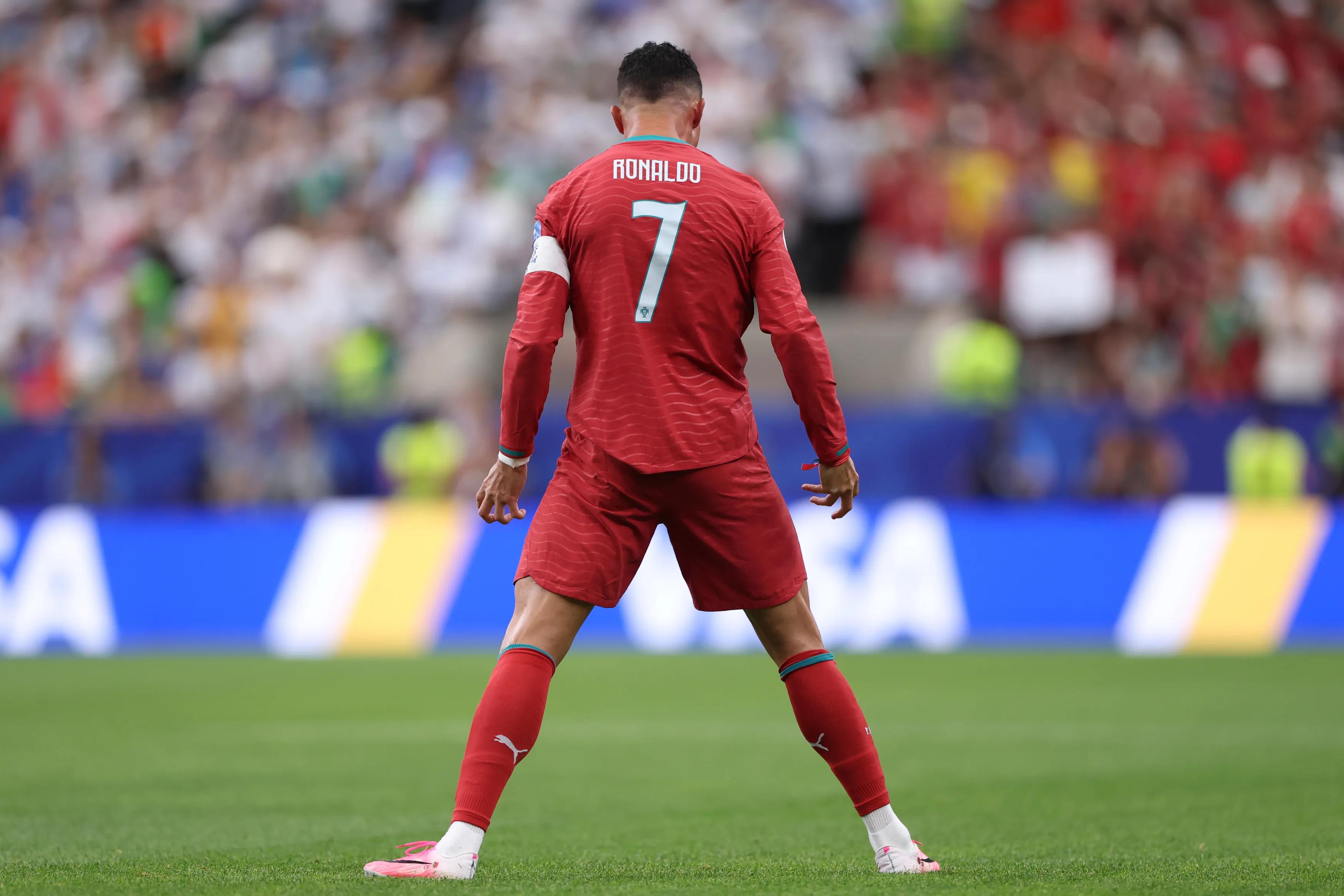
The text from her mother arrived at 11:03 PM, Pacific Time: "I am watching. Tell me when it goes in." Seventy-one-year-old Concepción Vega, watching from a hospice bed in San Diego, had been given three months to live in February. It was now October. She had told the nurses she intended to outlast one more World Cup goal by her childhood idol, and the nurses - who did not understand football - had smiled politely and made a note in her chart. In the stadium in Inglewood, her daughter Lucía, 39, gripped the railing of the upper tier so tightly her knuckles went white. Beside her, her own daughter, Marisol, age 11, held up a printed sign that read: "ABUELA, WE ARE HERE FOR YOU." Around them, 70,000 voices rose and fell with each attack, but Lucía heard only the static of her mother's oxygen machine through the phone pressed to her ear. The parallel that everyone kept drawing - to a certain African legend who danced at the corner flag at an age when most players had retired - had always struck Lucía as trite. Her mother had never cared about that man. What she cared about was the boy from Madeira who had debuted when she was a young mother struggling to feed three children in Tijuana, the man who had somehow remained standing every four years while Lucía grew up, married, divorced, remarried, and watched her own children begin to grow. "He scores, mamá, he scores!" Lucía screamed into the phone as the header hit the net. The roar of the crowd swallowed her voice, but it did not matter. On the other end, Concepción Vega - who had crossed the border at nineteen, who had cleaned offices for thirty years, who had never once missed a World Cup match on television since 1986 - began to weep with a force that frightened the night nurse. The goal that broke the record books also broke something open in that hospice room. Six weeks later, Concepción was well enough to travel home. The doctors called it a remission. Lucía called it something else entirely.
"The Beautiful Game"