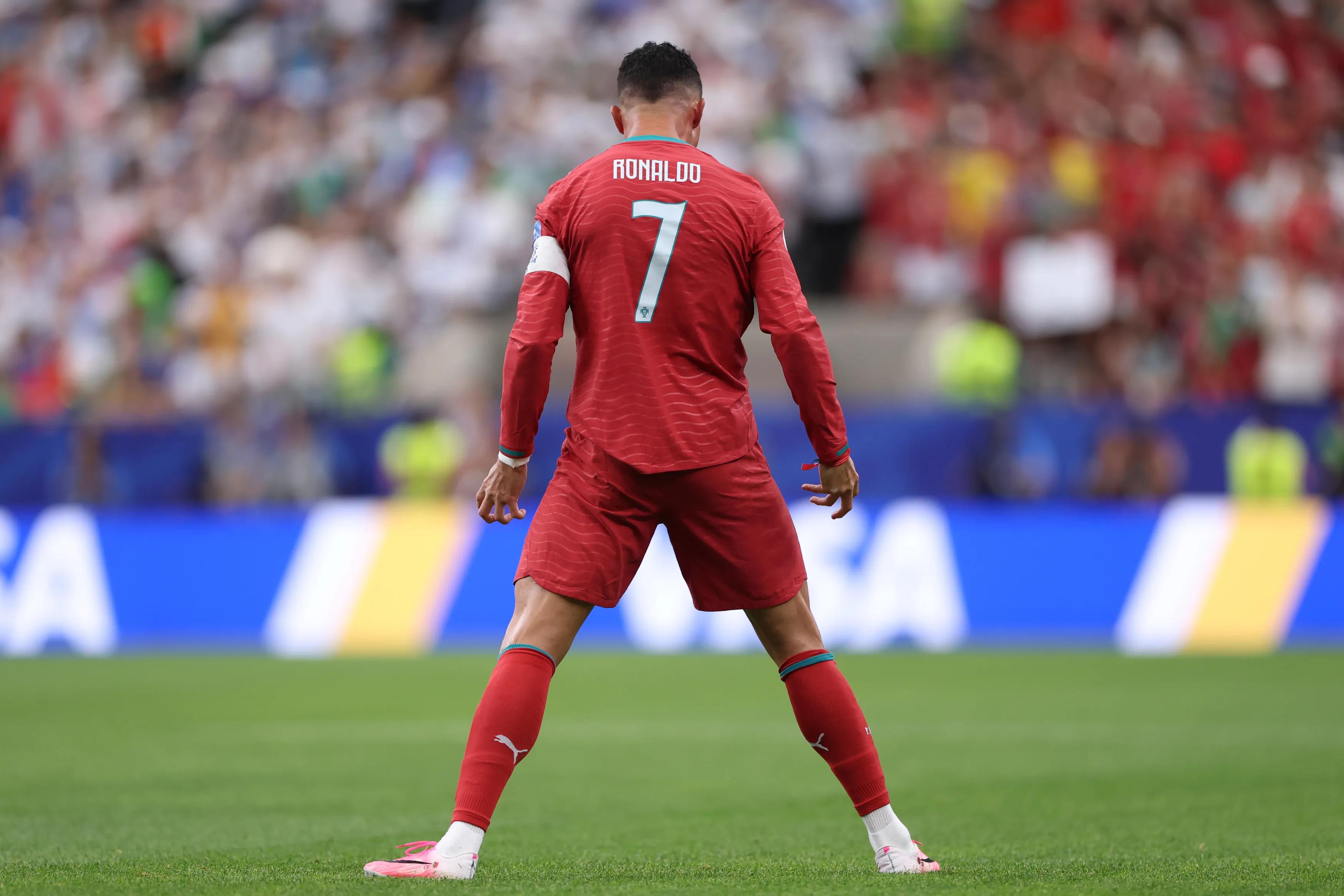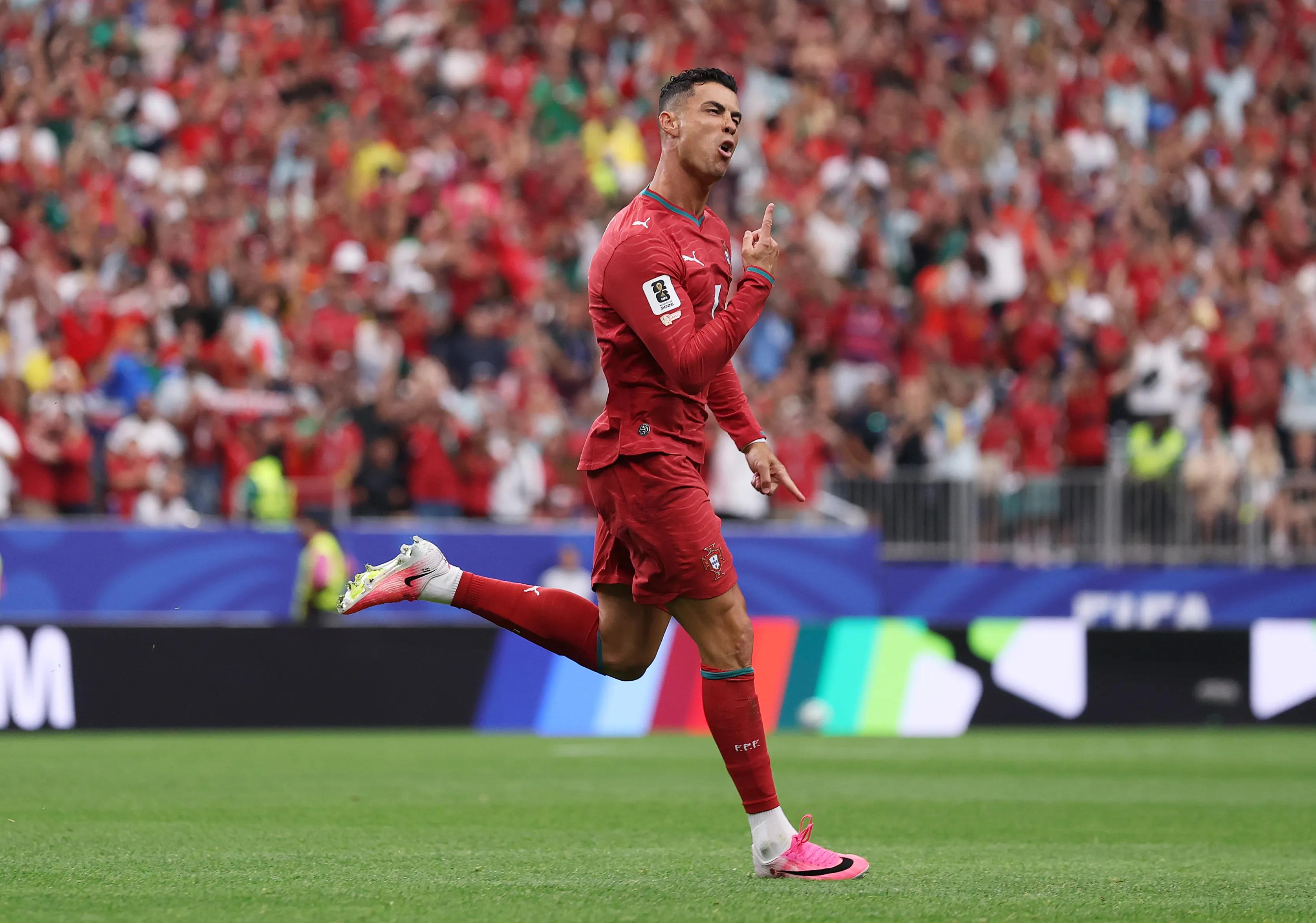
The docks at New Bedford, Massachusetts, smell of salt, diesel, and four hundred years of Portuguese labor. At 5:30 AM on the morning of the match, Avelino Cordeia, 58, was already on his boat, hauling traps by hand in the grey Atlantic dawn. He had refused to take the day off. "The fish don't watch football," he told his crew. But he had also refused to miss the match, which is why his grandson, seventeen-year-old Matias, was waiting at the dock with a portable television, an extension cord, and a thermos of espresso. "You're insane, Avô," Matias said, plugging the television into the boat's generator. "You don't know what insane is," Avelino replied, hauling the final trap aboard. "Insane is your great-grandfather rowing a skiff a quarter mile to hear a radio broadcast of Eusébio in 1966. Insane is rowing back in the dark and not knowing the score until morning." The family lore of the Cordeias was a chronicle of exile, longing, and football. Avelino's grandfather had emigrated from the Azores in 1958, carrying two trunks and a hand-painted portrait of Eusébio that hung, to this day, above the mantle of the family home in Fairhaven. The four goals Eusébio had scored against North Korea in the 1966 quarterfinal had been spoken of in the Cordeia household with the reverence other families reserved for scripture. Now, on a small screen balanced on a cooler of mackerel, a different Portuguese hero was completing a record that had seemed unreachable for sixty years. The names had changed - Eusébio to Figo to the boy from Madeira - but the meaning had not. For the Portuguese-American communities that stretched from New Bedford to Newark, from Toronto to Artesia, this tournament was the validation of a love that had survived oceans. When the goal went in, Avelino dropped the trap he was holding. It splashed into the harbour. He did not notice. He was on his knees on the wet deck, both hands pressed over his mouth, his shoulders shaking. "Avô," Matias whispered, kneeling beside him. "Are you crying?" "I am not crying," Avelino said, crying. "I am saying thank you." The match was a demolition. The headlines the next morning would marvel at the scoreline and the records broken. But in New Bedford, the only headline that mattered was the one Matias typed and pinned to the wharf office door: "He Saw It. We All Did."
"They Think It's All Over"