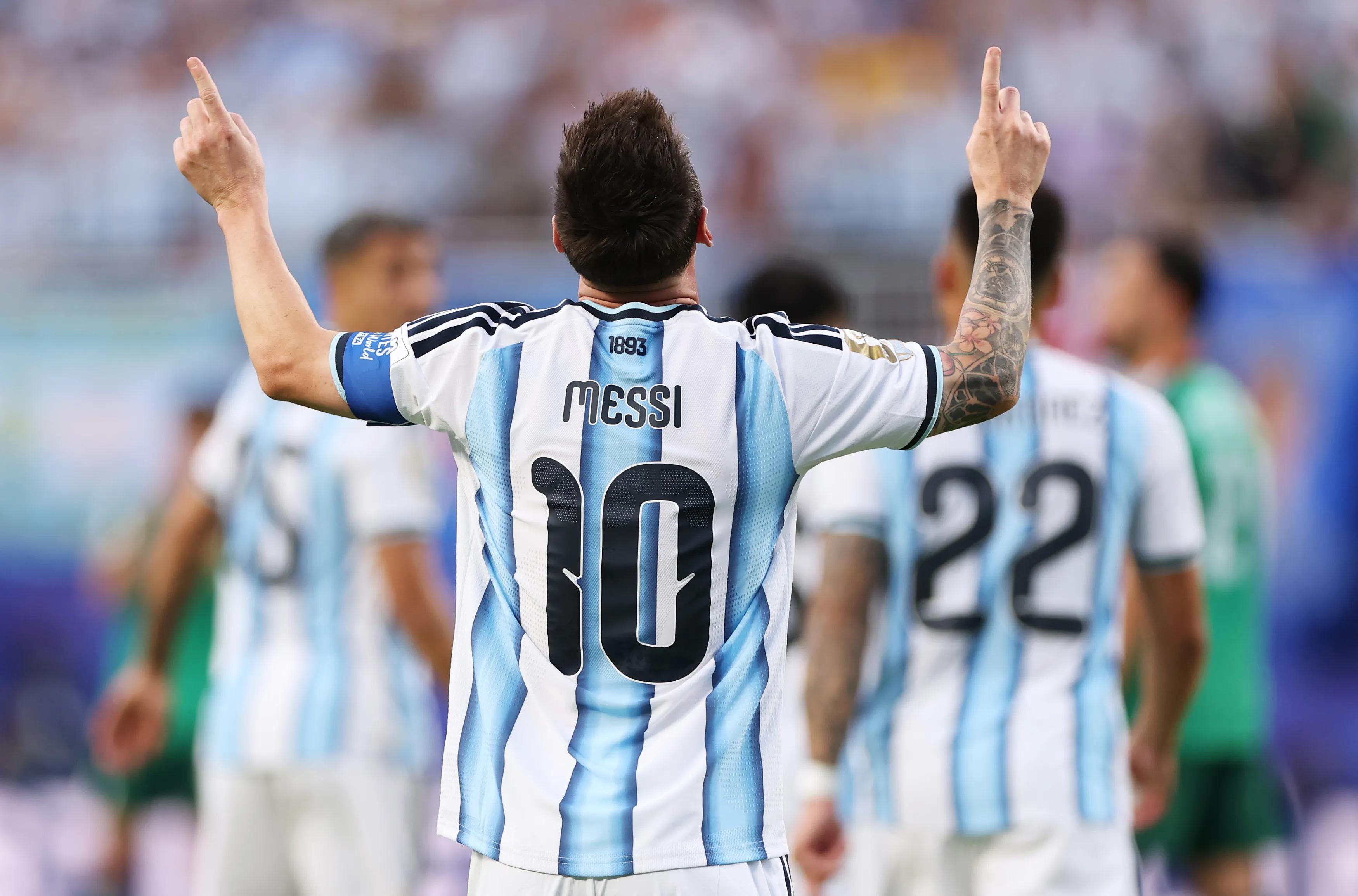
The dispute had begun at 7:14 PM, over a plate of disco fries at the Lexington Candy Shop on the Upper East Side, and by 9:30 PM it had drawn in three waiters, a busboy, and a woman at the next table who turned out to be a former sports librarian at NYU. The question was deceptively simple: which World Cup goalscoring achievement represents the higher form of greatness - a single tournament's explosion of brilliance, or two decades of patient accumulation across editions? Salvatore DiPaolo, 76, had argued for the explosion. A retired longshoreman from Red Hook, he had been fourteen years old in 1958, the son of recent Neapolitan immigrants, when a French striker of Moroccan descent had scored thirteen goals in six matches at a tournament held in Sweden. Salvatore had heard the goals described on a scratchy radio broadcast, had later watched grainy newsreels in a Times Square theater, and had carried the wonder of those thirteen goals with him for sixty-eight years. "You tell me another man who scores thirteen in six games," Salvatore said, gesturing with a forkful of fries. "You cannot. Because it cannot be done. The defenders were different, sure. The boots were different, sure. But the man had to be there, every game, and he was there." Across the table, his grandson Elias, 29, a quantitative analyst at a hedge fund, was unmoved. "The game is faster now. The athletes are different species. To score thirteen goals across six tournaments, to keep coming back for twenty years, to face a new generation of defenders each time and still find the net - that is a different kind of impossible." The argument could not be resolved, and they both knew it. What they also knew, but did not say, was that the argument was not really about goals at all. It was about Salvatore's mortality, and Elias's grief at the approaching loss of the man who had taught him to love the sport. Each goal they argued about was a year they had shared. Each tournament was a summer Salvatore had lifted Elias onto his shoulders in front of a television set. When the diner closed and they stepped into the October night, Elias finally said it. "Grandpa, when the World Cup comes here in 2026, will you come with me? To a match?" Salvatore looked at him for a long moment. "I will be seventy-eight," he said. "I know." "Then yes. We will go. And whoever scores, we will argue about it until we cannot argue anymore."
"Glory Awaits"